

Crucible Furnace
Why Choose Us?
Reliable Product Quality
Xinkyo Company was founded in 2005 by professional materials researchers. Its founder studied at Peking University and is a leading manufacturer of high-temperature experimental equipment and new materials research laboratory equipment. This enables us to provide high-quality, low-cost high-temperature equipment for materials research and development laboratories.
Advanced Equipment
Main production equipment: CNC punching machines, CNC bending machines, CNC engraving machines, high-temperature oven CNC lathes, lying machines, gantry milling, machining centers, sheet metal, laser cutting machines, CNC punching machines, bending machines, self capacitive welding machines, argon arc welding machines, laser welding, sandblasting machines, automatic paint baking rooms.
Wide Range of Applications
The products are mainly used in ceramics, powder metallurgy, 3D printing, new material research and development, crystal materials, metal heat treatment, glass, negative electrode materials for new energy lithium batteries, magnetic materials, etc.
Wide Market
XinKyo Furnace's annual export sales revenue is more than 50 million, with North American markets (such as the United States, Canada, Mexico, etc.) accounting for 30% and European markets (such as France, Spain, Germany,etc) accounting for about 20%; 15% in Southeast Asia (Japan, Korea, Thailand, Malaysia, Singapore, India, etc) and 10% in the Russian market; 10% in the Middle East (Saudi Arabia, UAE, ect ), 5% in the Australian market, and the remaining 10%.
What is Crucible Furnace?
A crucible furnace is a type of foundry furnace used for melting and casting metals that have a low melting point such as brass, bronze, and aluminum. They are one of the oldest types of melting ovens and among the most commonly used furnaces in the industry. The container that the metals and additives are placed in is referred to as the “crucible”, and is made of a heat-resistant material such as graphite, clay, or ceramic. Crucible furnaces typically consist of a furnace chamber made of refractory material, which is heated by a fuel source such as natural gas, propane, or electricity. The crucible is placed inside the furnace chamber and heated until the metal inside it melts. Once the metal has melted, it can be poured into molds to create various shapes and forms. The crucible can be removed from the furnace chamber using tongs or other tools, and the molten metal can be poured into the molds.
-
![High Vacuum Crucible Furnace]() High Vacuum Crucible FurnaceSG2-3-12TP is a High vacuum Crucible furnace, with a quartz crucible placed in a resistance wire furnace, which can introduce the required inert gas and vacuum. It is equipped with a dedicated...read more
High Vacuum Crucible FurnaceSG2-3-12TP is a High vacuum Crucible furnace, with a quartz crucible placed in a resistance wire furnace, which can introduce the required inert gas and vacuum. It is equipped with a dedicated...read more -
![1100C 6L Round Crucible Furnace]() 1100C 6L Round Crucible FurnaceCustomizableread more
1100C 6L Round Crucible FurnaceCustomizableread more
Stable @1100°C
Φ160×H300mm
Clean & energy-saving
30-segment program control
Double-layer insulation
Precise, unattended heating -
![Stirring Crucible Furnace]() Stirring Crucible Furnace1.Accurate temperature control, multi‑group programmableread more
Stirring Crucible Furnace1.Accurate temperature control, multi‑group programmableread more
2.Lift function available
3.Pit‑type or crucible‑type design
4.Stirring function with variable speed
5.Operating... -
![Lab Biomass Pyrolysis Furnace]() Lab Biomass Pyrolysis FurnaceBiomass pyrolysis (also known as pyrolysis or cracking) usually refers to the process in which biomass is heated and heated in an anaerobic or low oxygen environment, causing molecular...read more
Lab Biomass Pyrolysis FurnaceBiomass pyrolysis (also known as pyrolysis or cracking) usually refers to the process in which biomass is heated and heated in an anaerobic or low oxygen environment, causing molecular...read more -
![Mini Crucible Furnace]() Mini Crucible FurnaceMini Crucible furnace;read more
Mini Crucible FurnaceMini Crucible furnace;read more
Different size are available;
Top opening door easy to operate;
PID auotmatic control; -
![Laboratory Crucible Furnace]() Laboratory Crucible FurnaceVacuum crucible furnace with Condensate collectors;read more
Laboratory Crucible FurnaceVacuum crucible furnace with Condensate collectors;read more
A variety of exhaust gas treatment methods are available;
Different teperature range optional;
PID auotmatic control; -
![Lab Crucible Furnace]() Lab Crucible FurnaceProgrammable Crucible furnace; Square chamber in vertical type; Top loading door type; PID controlled lab furnace;read more
Lab Crucible FurnaceProgrammable Crucible furnace; Square chamber in vertical type; Top loading door type; PID controlled lab furnace;read more -
![1200℃ Crucible Furnace]() 1200℃ Crucible FurnaceSG2-6-12TP is a 1200℃ Crucible Furnace, with electric heating elements made of resistance wires and PID control of 30 or 50 segments. The furnace is formed by vacuum adsorption of high-purity...read more
1200℃ Crucible FurnaceSG2-6-12TP is a 1200℃ Crucible Furnace, with electric heating elements made of resistance wires and PID control of 30 or 50 segments. The furnace is formed by vacuum adsorption of high-purity...read more


Advantages of Crucible Furnace
Versatility
Crucible furnaces can be used to melt a wide range of materials, including metals, alloys, glass, and ceramics.
Compact size
Crucible furnaces are available in a range of sizes, making them ideal for small-scale applications or for use in laboratories.
Easy to use
Crucible furnaces are relatively simple to operate and do not require extensive training or specialized skills.
Precise temperature control
With the use of a temperature control system, crucible furnaces can maintain a precise temperature, making them ideal for applications that require accurate temperature control.
High melting temperatures
Crucible furnaces can reach very high temperatures, making them suitable for melting materials with high melting points, such as tungsten and platinum.
Cost-effective
Compared to other types of furnaces, crucible furnaces are relatively inexpensive and require minimal maintenance, making them a cost-effective option for many industries.
Types of Crucible Furnace
Pit Type (Stationary) Furnace
As the name indicate, the pit furnace is made below the ground level, so that the crucible can easily be lifted, operating from the floor of the shop. The metal to be melted is put into the crucibles. The crucibles are placed in the heating chamber and sufficient coke being packed around and above the crucible. A tall chimney attached, serves as a natural draught. The chimney draught is controlled by means of a damper. A removable fire gate is provided at the bottom of the furnace. After sufficient melting, the crucibles are lifted by means of long handle tongs.
Bale-Out Type (Stationary) Furnace
The shape of the furnace is cylindrical and it is built above the ground level. The cylindrical shape helps flames to sweep uniformly around the crucible. A fan is provided for forced draught and waste gases are taken out from the opening at the top. Bale-out type furnaces are generally oil or gases fired, and are used for melting nonferrous alloys like aluminum, magnesium, zinc, lead etc.
Tilting Type Furnace
The tilting type furnace is raised above the ground level. It is mounted on two pedestals and rotated by means of a rotating wheel. The furnace may be oil, coke or gas fired, and forced draught is used. An ash-pan is also provided in case of coke fired furnace. A drum of oil is placed at a height of 5-6 m above floor level, in case of oil fired furnace crucibles with long pouring lips are used in tilting furnaces. The tilting is one with the help of hydraulic devices or by hand rotating wheel. Tilting furnace is used for melting large quantities of metal, up to 500 kg.
Application of Crucible Furnace
Copper alloy smelting
A crucible furnace can smelt various copper alloys, such as brass, bronze, white copper, etc. By controlling the heating temperature and smelting time, high-quality copper alloys can be obtained.
Aluminum alloy smelting
A crucible furnace can smelt various aluminum alloys, such as aviation aluminum alloys, construction aluminum alloys, etc. By optimizing the heating process parameters, the strength, hardness, corrosion resistance, and other properties of aluminum alloys can be improved.
Stainless steel smelting
A crucible furnace can be used to smelt various stainless steels, such as 304 stainless steel, 316 stainless steel, etc. By controlling the heating temperature and melting time, high-quality stainless steel can be obtained.
Titanium alloy smelting
A crucible furnace can be used to smelt various titanium alloys, such as aviation titanium alloys, and medical titanium alloys, etc. It can provide sufficient heating power to achieve smooth melting of titanium alloy.
Metal recycling
A crucible furnace can be used to recycle various scrap metals, such as scrap aluminum, scrap copper, scrap steel, etc. Through induction heating, scrap metal can be quickly melted, purified, and reused.
Metal surface treatment
It can be used for metal surface treatment, such as aluminum alloy heat treatment, stainless steel heat treatment, etc. By controlling the heating temperature and heating speed, the hardness of the metal surface can be adjusted and improved.
Key Components of Crucible Furnace
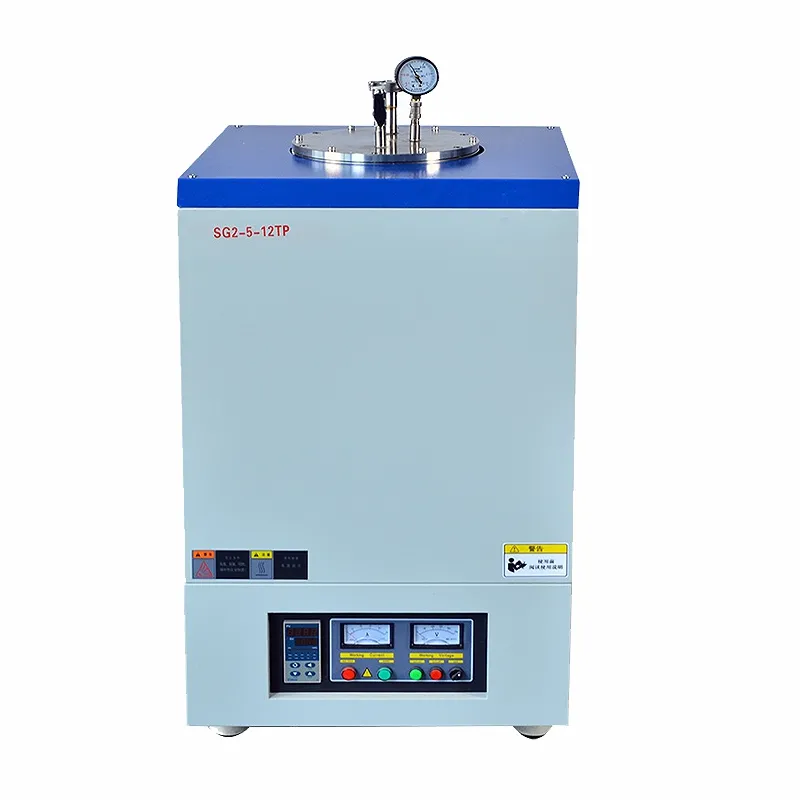
Heating Source
The heating source in a crucible furnace is typically an electric or gas-powered burner. Electric furnaces utilize heating elements, such as resistive wires or graphite electrodes, while gas furnaces use burners that generate intense heat. The heating source is responsible for providing the necessary energy to melt the materials inside the crucible.

Exhaust System
During the melting process, gases and fumes are generated, which need to be safely removed from the furnace. The exhaust system in a crucible furnace consists of vents, chimneys, or exhaust fans that efficiently eliminate these by-products, ensuring a clean and safe working environment.

Crucible
The crucible is a container made of refractory materials capable of withstanding high temperatures. It is designed to hold the raw materials that need to be melted, such as metals or alloys. Crucibles are usually made of materials like graphite, clay, or ceramic, depending on the melting point and chemical properties of the materials being processed.
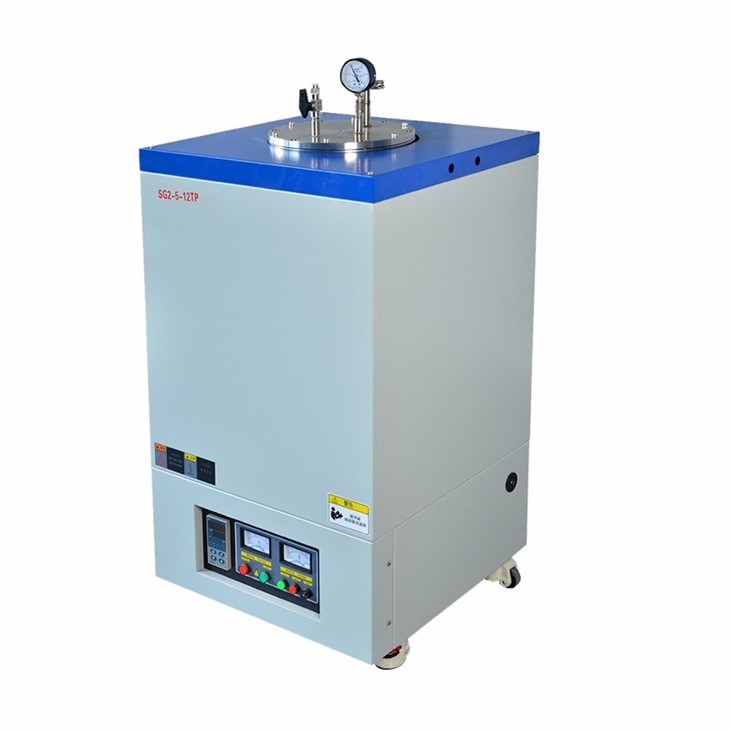
Temperature Control System
To ensure optimal melting conditions, a temperature control system is integrated into the crucible furnace. This system monitors and regulates the temperature inside the furnace, preventing overheating or underheating of the crucible. It usually comprises thermocouples, control panels, and software that allow operators to set and maintain the desired temperature.
A crucible furnace is a type of foundry furnace that is used for melting and casting metals with a low melting point, such as brass, bronze, and aluminum. It consists of a furnace chamber made of refractory material, which is heated by a fuel source such as gas, oil, propane, or coke. The fuel directly exposes the crucible to the heating source, and each fuel provides a different level of heat, measured in BTUs. The crucible must be able to withstand the maximum BTUs that the furnace fuel can apply.
The crucible itself is a container made of a heat-resistant material such as graphite, clay, or ceramic. It is placed inside the furnace chamber and heated until the metal inside it melts. The crucible must be tapered to allow the flame to circulate around it from bottom to top, ensuring even heating. The material of the crucible must also be able to resist oxidation damage from the flame and accommodate the rate of thermal change it will experience.
The working of a crucible furnace involves heating the material inside the crucible until it reaches its melting point. The heating element generates heat, which is transferred to the crucible, causing the material inside it to heat up and eventually melt. Once the metal has melted, it can be poured into molds to create various shapes and forms.
Crucible furnaces have been used for thousands of years and have a long history. The earliest known crucible furnaces were used by the Mesopotamians around 2500 BC for casting bronze artifacts. Today, crucible furnaces are available in various sizes and designs, from small laboratory furnaces to large industrial furnaces used in foundries. Despite technological advancements, the basic principles of the crucible furnace remain the same, making it a fundamental tool in the manufacturing and materials industry.
What Is The Process Of Crucible Furnace?
A crucible furnace is a type of foundry furnace used for melting and casting metals that have a low melting point, such as brass, bronze, and aluminum. It consists of a container called a crucible, made of a heat-resistant material like graphite, clay, or ceramic, and a furnace chamber made of refractory material. The furnace chamber is heated by a fuel source like natural gas, propane, or electricity.
The process of a crucible furnace starts by placing the metal charge inside the crucible. The crucible is then placed in the heating element of the furnace. The heating element generates heat, which is transferred to the crucible through conduction. The heat causes the metal charge inside the crucible to heat up and eventually melt.
The furnace is designed to retain heat and maintain the required temperature until the material inside the crucible has fully melted. This is important to ensure that the metal is in a liquid state and has become more viscous, making it easier to pour into molds or containers.
Some crucible furnaces may have additional features, such as a lid to cover the crucible or a temperature control system to regulate the heat. These features can help in controlling the working process and achieving the desired results.
The size and design of the crucible furnace can vary depending on the intended application and the type of material being melted. Crucible furnaces are commonly used in foundries, laboratories, jewelry making, and glassblowing industries.
Crucible furnaces have been used since ancient times and continue to be a fundamental tool in the manufacturing and materials industry. They offer advantages such as versatility, ease of use, and the ability to melt small batches of low melting point alloys.
How to Install the Crucible of a Removable Crucible Furnace
Inspect the crucible again immediately before installation to be certain:
That the crucible temperature is above the freezing point of water. If the crucible has been subject to high humidity, it could be damaged by thermal expansion (ice) in the walls of the crucible if the temperature drops below the freezing point.
It has not been damaged by handling or storage. A damaged crucible must not be installed.
Make sure that the base block is level, properly centered in the furnace, the correct height and larger than the crucible bottom.
For larger crucibles, use secure straps or a lifting mechanism designed for your crucible to carefully lift the crucible into the furnace. Center it on the base block and ensure that it is level.
Provide at least a 1/3 in. (8mm) gap between the crucible and top and sides of the furnace to allow for crucible expansion. An insufficient expansion gap will result in crucible cracking.
If the crucible has a spout, be sure there is at least a 1 ½ in. (38mm) gap between the spout and the furnace spout tray to allow for crucible expansion.
Use a ceramic fiber blanket to seal the space between the furnace top and the top edge of the crucible.
In a tilting furnace, use locating bricks designed to hold the crucible in position while allowing for crucible expansion. Allow a 1/4 in.-3/8 in. (6-10mm) expansion gap between the crucible and the grip bricks (use combustible spacer).
In gas or oil fired furnaces, ensure that the furnace flame travels in a tangential pattern around the crucible and does not overheat one spot on its surface. Even heating is essential to achieving a long service life.
Furnace drain holes allow molten metal to flow out of the furnace shell into a containment area in the event a crucible fails during melting or holding operations. However, these drain holes must be properly sealed (refer to furnace manufacturer for proper sealing method) during furnace operation to prevent crucible damage. In general, for electric fired furnaces, the drain hole is sealed using a thin (1mm or less) Zinc plate. In gas or oil fired furnaces, a drain hole gate is used.
Crucible Care During Normal Operation of the Crucible Furnace


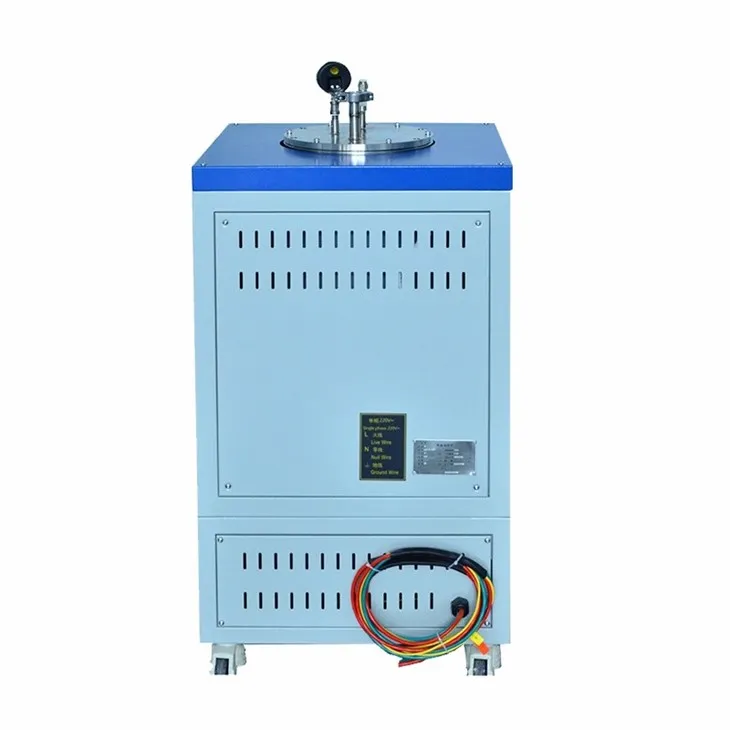
Charging Your Crucible
Improper charging practices are crucible killers. Physical damage caused by dropping heavy charge materials into an empty crucible will not simply reduce crucible service life, it also can cause sudden crucible failure. When charging an empty crucible, small scrap materials and returns first should be carefully placed in the bottom of the crucible to protect that interior surface. Then ingots can be carefully added. If only ingots are being charged, they should be slowly lowered vertically into the furnace, using tongs if the furnace is deep. Do not pack metal tightly, allow room for the metal to expand and to reduce the likelihood of bridging. Some crucible materials are more resistant to physical damage than others. Know how resistant your crucible is to physical damage and respect its limitations.
Heating Your Crucible
Even a warm, recently emptied crucible requires gradual and controlled heating before full melting heat is applied. Proper heating will prevent damage from thermal shock. Different crucible types require different heating cycles because some crucible materials are more sensitive to rapid temperature changes than others. Know and follow the heating guidance provided by your crucible manufacturer.
Protecting Your Crucible From Chemical Attack
If your melting or holding application requires the heavy use of fluxes or produces large amounts of slag or dross, you must use a crucible type that provides resistance to chemical attack and erosion. But you can help any crucible type resist chemical attack and slag and dross accumulation by using the minimum quantity of flux required and only adding flux after the metal is fully molten. It is also important to carefully clean your crucible every day while it is still in a red hot condition. Dross has a high expansion rate and causes internal pressure that can damage the crucible. It also accelerates chemical attack.
Never Overheat Your Crucible
Every crucible has a maximum temperature limit. You must know that limit and operate below it. Exceeding that limit will damage the crucible, reduce its service life and can lead to crucible failure. The best defense against crucible overheating is to follow a practice of taking frequent temperature readings of the molten bath with a portable or fixed pyrometer. Remove from service any crucible that has been subjected to temperatures above its maximum limit.
What Is The Temperature Range Of A Crucible Furnace?
The temperature range of a crucible furnace can vary depending on the type of crucible material and the metals or alloys being melted or held. Generally, the temperature range for crucible furnaces is between 1000°C and 1350°C (1800°F and 2450°F) for firing crucibles on all sides with gases. However, the temperature range can also be specific to the type of crucible and glaze being used.
In terms of crucible size, it is important to consider the sample dimensions and the appropriate crucible size. The type of crucible material will also depend on the furnace's maximum temperature. For example, a Zirconia crucible is suitable for a furnace with a maximum temperature of 2100°C or higher.
The input voltage is another important variable in choosing the right crucible furnace. The available options for power sources range from 110 VAC to 220 VAC, depending on the furnace type. It is important to consider the standard input voltage in your location, as it may differ from the rest of the world.
It is essential to consider the temperature range of a laboratory furnace as it will impact the processes and outcome of your products. There are three temperature ranges available for heat furnaces: heating up to 1300°C, heating up to 1500°C, and heating up to 1800°C. The choice of temperature range will depend on the heating element technology used in the furnace.
Crucibles used in melting and holding various metals and alloys have different temperature ranges. Carbon-bonded and ceramic-bonded clay graphite and silicon carbide crucibles are widely used in melting and holding aluminum and aluminum alloys, copper and copper-based alloys, precious metals, and zinc. These crucibles have a temperature range from 400°C/750°F to 1600°C/2912°F.
While some crucible types can support a broad spectrum of metals, it is often necessary to select crucibles targeted to specific metals or alloys with more limited operating temperature ranges. This allows for better performance characteristics and resistance to corrosion damage from metal treatment fluxes.
Our Certifications


Our Factory
Xinkyo Company was founded in 2005 by professional materials researchers. Its founder studied at Peking University and is a leading manufacturer of high-temperature experimental equipment and new materials research laboratory equipment. This enables us to provide high-quality, low-cost high-temperature equipment for materials research and development laboratories. Our products include high-temperature ovens, tube furnaces, vacuum furnaces, trolley furnaces, lifting furnaces, and other complete sets of equipment. Thanks to its excellent design, affordable prices, and customer service, Xinkyo is committed to becoming the world leader in materials science research for high-temperature equipment.


Ultimate FAQ Guide to Crucible Furnace
As one of the leading crucible furnace manufacturers and suppliers in China, we warmly welcome you to buy high-grade crucible furnace for sale here from our factory. All our products are with high quality and competitive price.