

A muffle furnace creates a controlled, high-temperature environment by isolating samples from the heating elements. Understanding its key components helps clarify why the choice of materials is so critical.
The Muffle Chamber: Your Processing Space
The muffle chamber is the internal cavity that holds the samples. Constructed from refractory materials, it can withstand extreme temperatures while shielding samples from direct contact with heating elements, thereby preventing contamination.
Heating Elements and Insulation
Heating elements-made of materials such as silicon carbide or molybdenum disilicide-surround the muffle chamber, radiating heat inward.
High-performance insulation, such as ceramic fiber, encases the entire assembly to minimize heat loss and ensure temperature stability. The material chosen for the muffle chamber must function effectively in tandem with the rest of the system.
Breakdown of Key Furnace Chamber Materials
Each material offers a unique combination of properties. Your specific application will determine which material is the most suitable.
Ceramics: The Workhorses of Stability
Ceramic chambers, typically made from materials like aluminum oxide (alumina), are the most common choice for general laboratory work. They offer an excellent balance of properties.
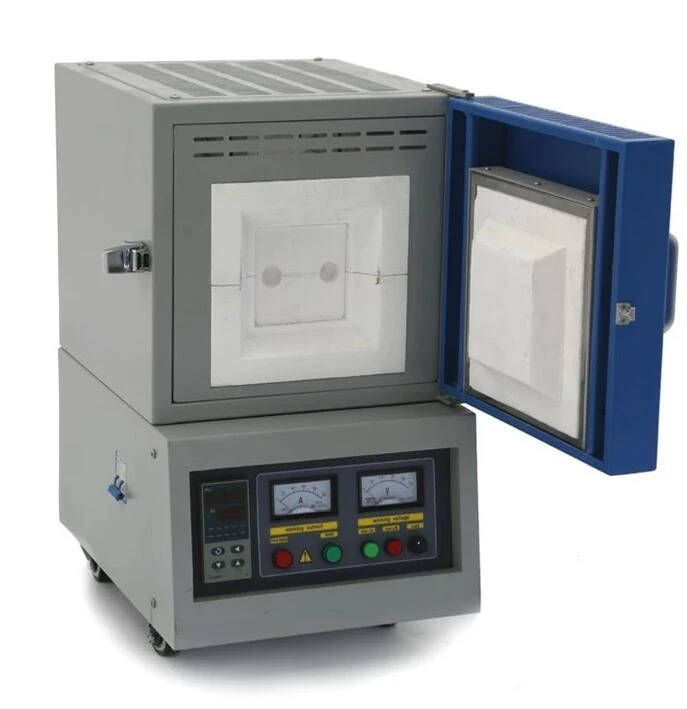
Their primary advantages include good thermal insulation and a low coefficient of thermal expansion.
This provides high heat resistance and stability during gradual temperature changes, ensuring uniform heating for sensitive processes, such as chemical reactions or the sintering of electronic components.
Quartz: The Choice for High Purity
Quartz is a high-purity glass that exhibits exceptional resistance to both high temperatures and corrosion. It is the ideal material when sample purity is the absolute top priority.
Transparent to certain wavelengths of radiation and possessing an extremely high level of purity, quartz minimizes the risk of introducing contaminants into the analytical process.
Consequently, it is the preferred material for semiconductor research and trace element analysis, where even minute impurities could compromise the results.
Metal Alloys: Leaders in Rapid Heating
Furnace chambers constructed from high-temperature metal alloys are designed for industrial applications and processes that require rapid heating. Their defining characteristic is excellent thermal conductivity.
This enables very fast heating and cooling cycles, making them ideal for high-throughput heat treatment and large-scale production environments, where cycle time is a significant economic factor.