

Essential for Precise Dental Restorations
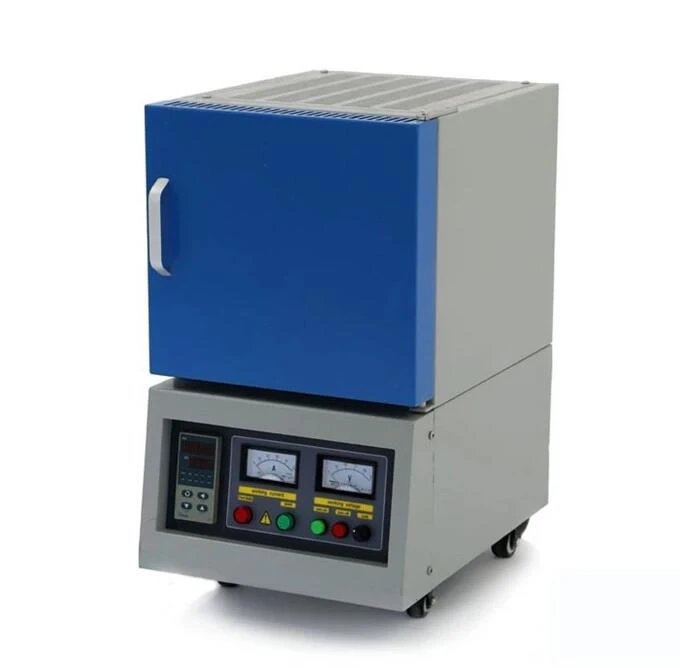
In a dental laboratory, a muffle furnace is an indispensable high-temperature furnace used to transform raw materials into final dental restorations.
It is a primary tool for processes such as sintering zirconia, firing porcelain layers onto crowns and bridges, and burning out wax patterns-ensuring the final product possesses the necessary strength, fit, and aesthetic quality.
In the dental field, the core function of a muffle furnace goes beyond simply heating materials; it provides an exceptionally precise and clean environment.
This precise control allows technicians to trigger specific chemical and physical transformations in materials like ceramics and zirconia, turning fragile substances into robust, durable restorations that resemble natural teeth.
Core Principle: From Powder to Prosthesis
A muffle furnace is essentially a furnace featuring an insulated inner chamber-the "muffle"-which isolates the material being heated from the heating elements and any combustion byproducts. This design is critical for dental applications where material purity is paramount.
Sintering for Maximum Strength
One of the most common modern applications is the sintering of zirconia. Zirconia crowns are milled from a soft, chalk-like block.
The pre-formed crown is placed into the furnace and heated to temperatures often exceeding 1500°C (2732°F), initiating the sintering process.
This process fuses the material's particles together, causing the crown to shrink by approximately 20–25% and transforming it into one of the strongest and most durable materials in dentistry.
Firing Porcelain for Aesthetics
For porcelain-fused-to-metal (PFM) or all-ceramic crowns, technicians mix fine porcelain powder with a liquid and build it up layer by layer.
Each layer is fired in the muffle furnace at a specific temperature. This firing process fuses the powder particles into a solid, glass-like layer that mimics the translucency and color of natural teeth. Multiple firing cycles are often required to achieve the final shape and to apply glazes to the surface.
Casting and Pressing via the "Burnout" Process
Muffle furnaces are also used in the "lost-wax" technique. A wax pattern of the desired restoration is encased in a gypsum-like material known as an investment.
The furnace is used to completely burn away the wax, leaving a hollow, precisely shaped mold within the investment material. This mold is then used for casting molten metal alloys or pressing high-strength ceramics to create the final framework or restoration.
Why Standard Ovens Are Not Suitable
Specialized muffle furnaces are essential in dental laboratories due to the precise temperature requirements of dental materials. The difference goes far beyond simply the ability to reach high temperatures.
The Critical Need for Precise Heating and Cooling Ramps
Dental materials are highly sensitive to thermal shock. Heating or cooling too rapidly can cause the material to crack or develop internal stresses, ultimately leading to failure.
Muffle furnaces are programmable, allowing technicians to control the rate of temperature increase (the heating ramp) and maintain specific temperatures for set durations. This ensures that material transformations occur uniformly and predictably.
Preventing Material Contamination
The design of the muffle chamber is crucial. It creates a clean environment, ensuring that the restoration remains free from any contaminants that might be generated by the heating elements.
This is vital for biocompatible materials intended for use within the human body; any contamination could compromise the material's strength, color, or safety.
Atmosphere Control
Certain advanced processes-such as the sintering of specific metals-require a controlled atmosphere (e.g., a vacuum or an inert gas like argon).
Muffle furnaces can be designed to accommodate these conditions, preventing oxidation and ensuring the material achieves its required properties.